-

Like
-

Views
*الحقيقة الخفية عن السكر: ما هي الكمية الزائدة؟*
May 18, 2025
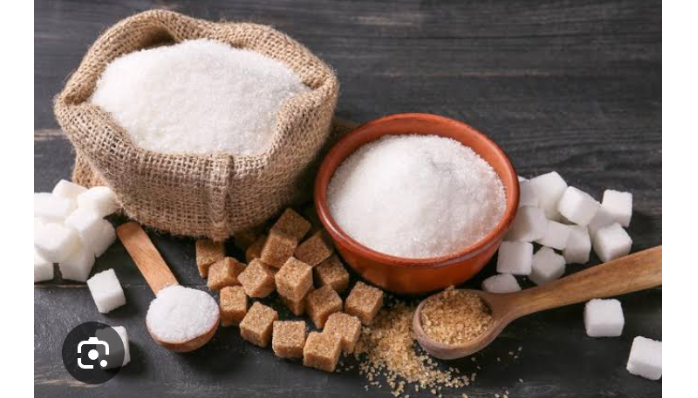

السكر حلو المذاق بلا شك. لكن وراء هذا الطعم اللاذع يكمن سببٌ خفيٌّ للعديد من المشاكل الصحية اليوم (السمنة، والسكري، وأمراض القلب، والإرهاق المزمن). قد لا تُدرك حتى كمية السكر التي تستهلكها، خاصةً مع السكريات الخفية الكامنة في الأطعمة اليومية. إذًا، ما هي الكمية الزائدة عن الحد المسموح به من السكر؟ وكيف يمكنك اتخاذ خياراتٍ أذكى دون التخلي عن متعة الحلاوة؟
وفقًا للدراسات، فإن الحد الأقصى الموصى به لتناول السكر هو ٢٥ غرامًا (٦ ملاعق صغيرة) يوميًا للبالغين، وأقل من ٢٥ غرامًا (الكمية المثالية) للأطفال. وهذا ليس كثيرًا، خاصةً إذا أخذنا في الاعتبار أن علبة واحدة من الصودا قد تحتوي على ما يصل إلى ٤٠ غرامًا من السكر، متجاوزةً الحد اليومي في جلسة واحدة.
لكن المشكلة تكمن في أن معظم الناس لا يدركون سرعة تراكم السكر على مدار اليوم. من حبوب الإفطار والزبادي المُنكّه إلى الصلصات وألواح الوجبات الخفيفة، نجد السكر في كل طعام تقريبًا. ولكن كيف يُمكنك اكتشاف السكر المُخفي؟
*اكتشاف السكريات المخفية*
لا يظهر السكر دائمًا على الملصقات، بل يختبئ خلف أسماء مختلفة، منها: شراب الذرة عالي الفركتوز، الدكستروز، المالتوز، رحيق الصبار، مُركّز عصير الفاكهة، الجلوكوز، المشروبات الغازية، إلخ.
حتى الأطعمة التي تُوصف بأنها "صحية" مثل الجرانولا، وتوابل السلطة، وألواح البروتين، غالبًا ما تحتوي على سكريات أكثر مما تتوقع. لذلك، من الضروري قراءة ملصقات الأطعمة. تحقق من قسمي "إجمالي السكريات" و"السكريات المضافة" - فهذه الأرقام تكشف حقيقة ما يحدث. في حين أن جسمك يحتاج إلى كمية صغيرة من السكر (وخاصةً من الفواكه الكاملة والكربوهيدرات المعقدة)، فإن الإفراط في تناول السكر يضر أكثر مما ينفع. يمكن أن يؤدي تناول كميات كبيرة من السكر إلى: زيادة تخزين الدهون وزيادة الوزن، وارتفاع وانخفاض مستويات السكر في الدم، مما يؤدي إلى التعب والانفعال، وزيادة خطر الإصابة بداء السكري من النوع الثاني، والمساهمة في الالتهابات وضعف المناعة، وتسريع شيخوخة الجلد، والإضرار بصحة الفم، وغيرها الكثير.
مع مرور الوقت، قد تُصبح هذه الآثار مشاكل صحية خطيرة، ولكن الخبر السار هو أنه يمكن الوقاية منها.
*بدائل صحية للسكر المكرر*
ليس الهدف هو التخلص من السكر المكرر تمامًا، بل استبدال المصادر الضارة بمصادر أفضل. إليك بعض البدائل الطبيعية التي لن تُسبب لك تقلبات حادة في مستوى السكر:
1. ستيفيا - مُحلي نباتي خالٍ من السعرات الحرارية ولا يؤثر على نسبة السكر في الدم.
٢. مُحلي فاكهة الراهب - خيار طبيعي آخر خالٍ من السعرات الحرارية، بطعم يُشبه السكر.
٣. العسل الخام - مع أنه لا يزال سكرًا، إلا أنه يحتوي على مضادات الأكسدة، ويمكن استخدامه باعتدال.
٤. التمر - غني بالألياف والعناصر الغذائية، ويُعدّ طريقة صحية لتحلية العصائر والحلويات.
٥. سكر جوز الهند - مؤشره الجلايسيمي منخفض قليلًا، ولكن يُنصح باستخدامه باعتدال. لتقليل السكر دون الشعور بالحرمان؛ اشرب الماء بدلًا من المشروبات السكرية، وتناول الفاكهة والمكسرات بدلًا من المعجنات والحلويات، واطبخ المزيد من الوجبات في المنزل للتحكم في المكونات، واختر الزبادي العادي وأضف فاكهتك الخاصة، وقلل السكر تدريجيًا حتى تختفي رغبتك فيه.
اكثير في تناول السكر ضار؛ فهو يتراكم بسرعة ويؤدي إلى مضاعفات صحية. بتعلم قراءة الملصقات، واكتشاف السكريات الخفية، واختيار بدائل أفضل، يمكنك حماية صحتك دون التخلي عن متعة الحلويات. التغييرات الصغيرة تؤدي إلى نتائج كبيرة، قلل ملعقة صغيرة في كل مرة.
THE HIDDEN TRUTH ABOUT SUGAR: HOW MUCH IS TOO MUCH?
Sugar is sweet—no doubt. But behind that irresistible taste lies a silent contributor to many of today’s health concerns (obesity, diabetes, heart disease and chronic fatigues). You may not even realize how much sugar you’re consuming, especially with hidden sugars lurking in everyday foods. So, how much sugar is too much? And how can you make smarter choices without giving up the joy of sweetness?
According to research, the recommended maximum sugar intake is: 25 grams (6 teaspoons) per day for adults and less than 25 grams (ideally) for children. That’s not a lot—especially when you consider that a single can of soda can contain up to 40 grams of sugar, exceeding the daily limit in one sitting.
But here’s the catch: most people don’t realize how quickly sugar adds up throughout the day. From breakfast cereals and flavored yogurts to sauces and snack bars, sugar in almost every food. But how can you spot hidden sugar?
SPOTTING THE HIDDEN SUGARS
Sugar doesn’t always show up as “sugar” on labels. It hides in plain sight, behind different names some of which are: High-fructose corn syrup, dextrose, maltose, agave nectar, fruit juice concentrate, glucose, soda drinks etc.
Even so-called “healthy” foods like granola, salad dressings, and protein bars often pack in more sugar than you’d expect. That’s why reading food labels is crucial. Check for the "Total Sugars" and "Added Sugars" sections—those numbers reveal what’s really going on. While your body needs a small amount of sugar (mainly from whole fruits and complex carbs), excess sugar does more harm than good. High sugar intake can: Increase fat storage and weight gain, spike and crash blood sugar levels, leading to fatigue and irritability, raise the risk of type 2 diabetes, contribute to inflammation and weakened immunity, accelerate skin aging and damage oral health and many more.
Over time, these effects can become serious health issues but the good news is that they are preventable.
HEALTHIER ALTERNATIVES TO REFINED SUGAR
The goal isn’t to eliminate sweetness altogether, but to replace harmful sources with better ones. Here are a few natural alternatives that won’t cause a sugar rollercoaster: 1. Stevia – A plant-based, calorie-free sweetener that doesn’t affect blood sugar.
2. Monk Fruit Sweetener – Another natural zero-calorie option, with a taste similar to sugar.
3. Raw Honey – While still a sugar, it contains antioxidants and can be used in moderation.
4. Dates – High in fiber and nutrients, dates are a wholesome way to sweeten smoothies and desserts.
5. Coconut Sugar – Slightly lower on the glycemic index, but still to be used sparingly. To cut down sugar without feeling deprived; Drink water instead of sugary beverages, snack on fruits and nuts instead of pastries and candies, cook more meals at home so you can control ingredients, choose plain yogurt and add your own fruit, and gradually reduce sugar until you no longer crave it.
Too much of sugar is harmful; it adds up fast and leads to health complications. By learning to read labels, spot hidden sugars, and choose better alternatives, you can protect your health without giving up sweet satisfaction. Small changes lead to big results, reduce one teaspoon at a time.







 Espees - CELWA
 KingsPay Naira - CELWA
Share comment